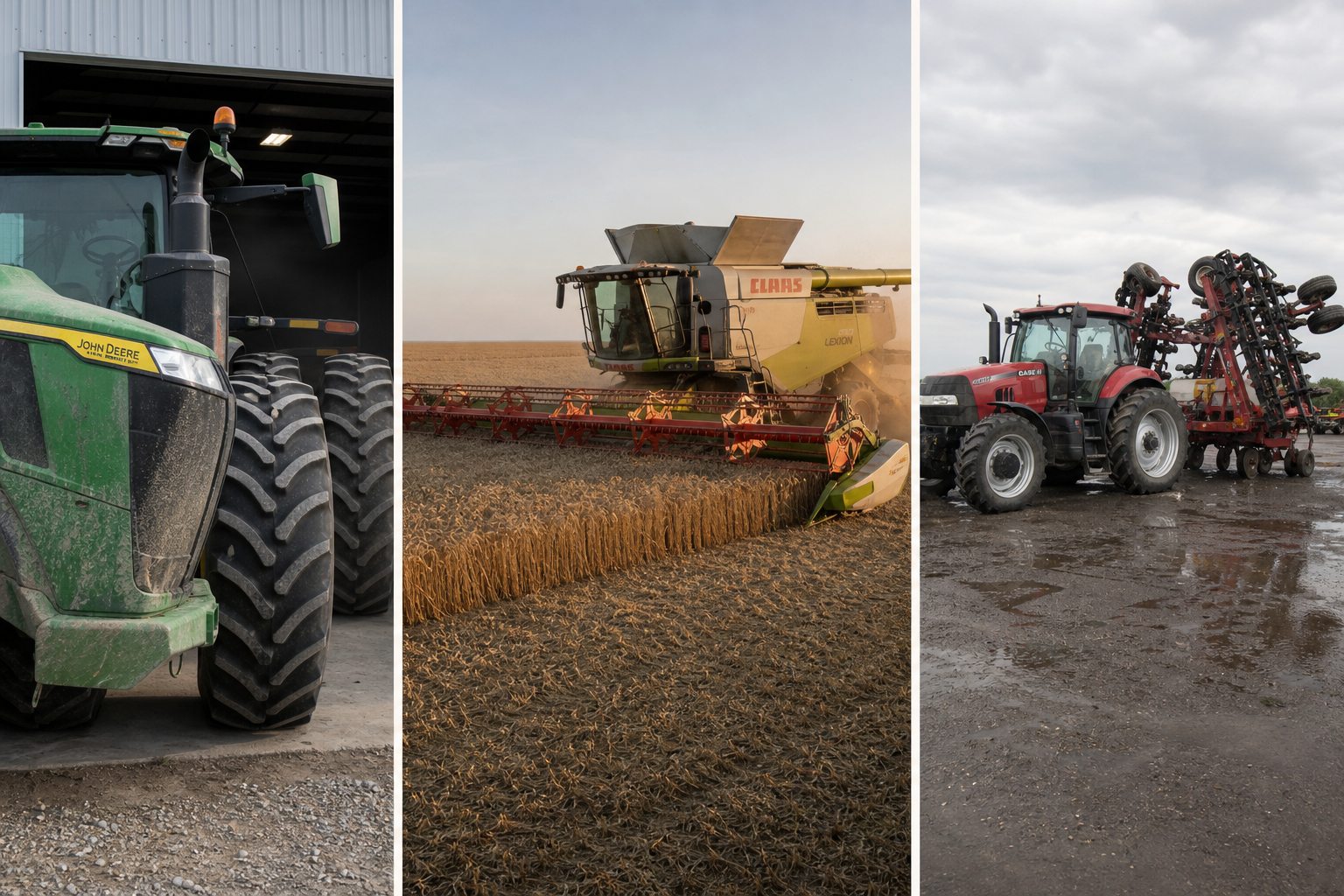
Find better farm equipment in 70 seconds. Free.
- Newer machines
- Fewer hours
- Same budget
- Better Value 15–20%
Better deals found by using AI Swarms to check the markets.
- Markets Searched 12+
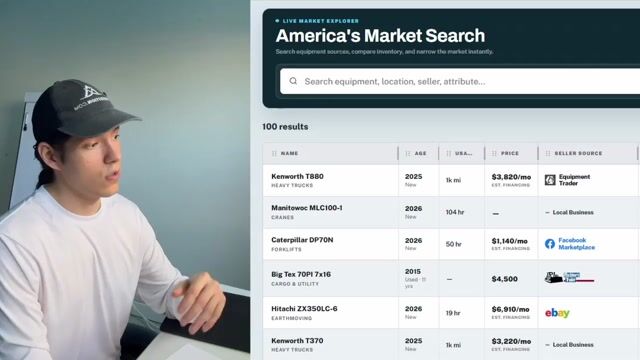
AI instantly searches major platforms and local businesses.
- Average Time Saved 1–2 Mo
Find in 70 seconds what normally takes weeks of searching.
- What You Pay Us $0
Search and seller connection.
We Find The Right farm equipment With Swarm Search.
You search less. Find better.
One brief. More sources. Better-fit farm equipment.
-
Listen
Tell us what farm equipment you need, where it will work, and the must-have specs.
-
Launch Swarm Search
We turn your request into one clear brief and send it across the farm equipment market.
-
Optimize
We narrow the field by job fit, location, condition, availability, and total cost.
-
Connect
When a farm equipment option looks promising, we connect you to the person who actually has it.
-
Demo & Deal
See the farm equipment, inspect it, and work out terms with the source.
-
BONUS: Start In One Minute
Your part takes about sixty seconds: tell us what you need and we launch the search.
Scans the whole farm equipment market
One brief, checked across the places farm equipment options get listed.
Marketplace

Bros.


 Equipment

marketplaces, auctions, dealers, rental yards & more…
There’s a lot of market to search.
9,680
farm-equipment listings in California
Dated market snapshot; coverage varies by source.
We check marketplaces, auctions, dealers, rental yards, and private listings to find better-fit farm equipment.
Questions, Answered.
Straight answers on how we can help you find what you need.
We don't own inventory. Tell us what you need and we'll search for the right farm equipment and connect you to the source.
Skip the ranges.
Find equipment deals.
Figures are dated advertised-price comps, not sold-price data, an appraisal, or a quote. Price, availability, freight, tax, financing, trade value, included implements or headers, warranty, and condition are set by the seller.